Pediatric Scoliosis Physiotherapy Dubai: A Parent's Guide


Finding out your child has scoliosis can feel overwhelming. As a parent, your mind immediately goes to a hundred different questions: What does this mean for their future? Will they be in pain? Do they need a brace? Is surgery inevitable?
First, take a deep breath. You are not alone, and more importantly, there is so much you can do to help. In a city like Dubai, where families have access to world-class healthcare, the path forward is clearer than ever. This guide is designed to walk you through everything you need to know about pediatric scoliosis, how scoliosis physio therapy for kids in Dubai can make a world of difference, and how to find the right support for your child.
Understanding Scoliosis in Children
Scoliosis is more than just "bad posture." It is a three-dimensional curvature of the spine that often appears during growth spurts just before puberty. For parents, it can be a silent condition—often painless in its early stages—which is why regular checks are so important.
The most common form is Adolescent Idiopathic Scoliosis (AIS), where "idiopathic" simply means the cause is unknown. While that sounds frustrating, it also means it's not something you did or didn't do. Other types can be congenital (present at birth) or neuromuscular (associated with conditions like cerebral palsy).
Early Signs to Watch For
As a parent, you are often the first line of defence. Keep an eye out for these subtle signs:
1. One shoulder appears higher than the other
2. One shoulder blade is sticking out more prominently
3. An uneven waistline
4. A tendency to lean to one side
5. One hip appears higher than the other
If you notice any of these, don't panic. Early detection is your greatest asset, and scoliosis physiotherapy for kids in Dubai is more advanced and accessible than ever before.
Why Physiotherapy is the Cornerstone of Treatment
When it comes to managing scoliosis in growing children, physiotherapy is rarely just an option—it is the foundation. While bracing might be necessary for moderate curves to prevent progression during growth spurts, physiotherapy works alongside it to strengthen the body, improve posture, and teach the child how to take an active role in their spinal health.
The goal isn't just to "straighten" the spine. It's to create a balanced, strong, and resilient body that can support the spine as the child grows. This is where specialised pediatric expertise becomes essential. A skilled physiotherapist doesn't just treat the curve; they treat the whole child.
Finding the Right Expertise in Dubai
Dubai is home to a growing number of specialised healthcare facilities, but pediatric physiotherapy requires a unique blend of clinical expertise and a gentle, encouraging approach. Children are not small adults; they need treatment that feels like play, that respects their emotional world, and that empowers them rather than making them feel "different."
This is precisely the philosophy behind Adelaide Paediatric Physiotherapy. With a legacy of over 25 years of excellence—first in London and now in Dubai—they have built a reputation as a centre of excellence trusted by doctors and families alike. You can learn more about their approach on their website: https://adelaidepaediatricphysio.com/.
Their team understands that a child with scoliosis needs more than just exercises; they need confidence, education, and a supportive environment where therapy feels like a positive part of their routine, not a chore.
The Connection Between Scoliosis and Developmental Milestones
While scoliosis itself is a spinal condition, it often exists within a broader context of a child's overall development. This is why a comprehensive pediatric physiotherapy approach looks at the whole picture.
For some children, scoliosis may be linked to or exacerbated by underlying motor coordination issues. In other cases, parents may be managing scoliosis alongside other concerns, such as physiotherapy for developmental delay in children in Dubai. The skills needed for good posture—core strength, balance, bilateral coordination—are the same foundational skills that support crawling, walking, running, and playing.
A child who struggled with tummy time as an infant or was a late walker may have subtle core weaknesses that contribute to postural issues later on. A skilled pediatric physiotherapist will assess these foundational patterns, not just the spinal curve itself. This holistic view ensures that treatment addresses the root causes, leading to more sustainable and effective outcomes.
What Does Pediatric Scoliosis Physiotherapy Look Like?
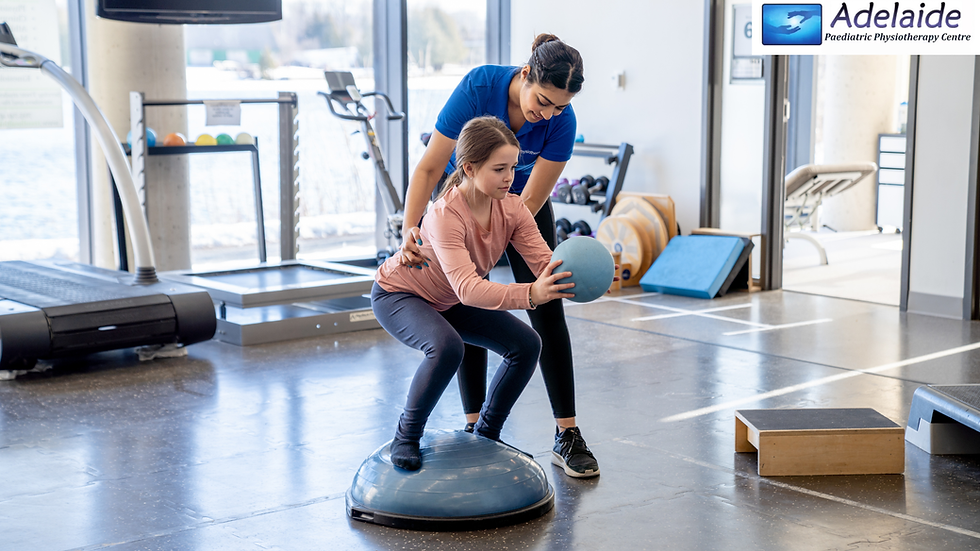
If you walk into a session at a specialised centre like Adelaide Paediatric Physiotherapy, you won't find a cold, clinical atmosphere. You'll find a space designed to make children feel safe, engaged, and motivated.
The Initial Assessment
The journey begins with a thorough assessment. The physiotherapist will:
1. Take a detailed history of your child's developmental milestones and medical background.
2. Observe your child's posture, gait, and movement patterns.
3. Use specialised tools to measure the spinal curve and assess flexibility.
4. Evaluate muscle strength, balance, and coordination.
Most importantly, talk to your child—understanding their interests, fears, and what motivates them.
The Treatment Plan
Every child's curve is unique, and so is their treatment plan. A personalised approach might include:
1. Schroth Method Exercises: This is a gold-standard, evidence-based approach for scoliosis. It uses specific breathing techniques, postural corrections, and strengthening exercises tailored to the individual's curve pattern. Children learn to "de-rotate" their spine and create muscular symmetry.
2. Core Strengthening: A strong core acts like a natural corset for the spine. Exercises are disguised as games—planks become "superman" poses, and bridges become "glute bridges over a lava river."
3. Balance and Proprioception Training: Scoliosis can affect a child's sense of where their body is in space. Fun activities like standing on one leg while throwing a ball help retrain the brain-body connection.
4. Flexibility and Mobility Work: Tight muscles on one side of the spine need gentle stretching to restore balance.
5. Parent and Child Education: This is perhaps the most crucial element. Children learn to understand their curve and take ownership of their exercises. Parents learn how to support their child at home, turning daily activities into opportunities for strengthening and good posture.
The Power of Early Intervention
One of the most powerful concepts in pediatric physiotherapy is early intervention. The younger the child and the smaller the curve, the more effectively physiotherapy can work.
For scoliosis, this means:
During growth spurts, the spine is most vulnerable to progression during rapid growth. Early physiotherapy can teach the child how to support their spine through these periods.
Before bracing: In many cases, intensive physiotherapy can slow or halt curve progression, potentially avoiding the need for a brace altogether.
Building lifelong habits: Children who learn good postural habits and body awareness early carry these skills into adulthood, reducing the risk of back pain and functional issues later in life.
This same principle applies to physiotherapy for developmental delay in children in Dubai. Addressing delays in motor skills early—whether it's difficulty with crawling, walking, or coordination—sets the stage for better outcomes across all areas of physical development. A strong foundation in early childhood prevents compensatory patterns that can lead to issues like scoliosis down the line.
A Day in the Life: Making Physiotherapy Work for Your Family
One of the biggest concerns parents have is how physiotherapy will fit into their already busy lives. Between school, activities, and family time, adding another appointment can feel daunting.
The good news is that modern pediatric physiotherapy is designed to integrate seamlessly into daily life. The goal isn't to spend hours doing "exercises" but to weave therapeutic movements into what your child already does.
At the Clinic
Sessions are typically 45–60 minutes and are designed to be engaging. A good physiotherapist will use your child's interests to drive motivation. If your child loves soccer, exercises will involve kicking, balancing, and strengthening in ways that feel like training for their sport. If they love art, they might practice postural control while drawing on a vertical surface.
At Home
The real magic happens between sessions. Your physiotherapist will give you a short, manageable home program. This might be:
10 minutes of specific exercises while watching TV
A "posture check" game during homework time
Incorporating balance challenges into playtime at the park
The key is consistency over intensity. Short, daily sessions are far more effective than long, infrequent ones.
Supporting Your Child Emotionally
Let's talk about the emotional side of scoliosis. For a child or teenager, a scoliosis diagnosis can bring up feelings of being different, self-consciousness, or anxiety about treatment.
As a parent, your role in shaping their mindset is profound. Here are a few ways to support them:
Normalise it: Talk about physiotherapy as "training" for their body, similar to how athletes train. Frame it as something empowering, not a punishment.
Involve them in decisions: Whenever possible, give them choices. "Do you want to do your exercises before or after dinner?" This builds ownership.
Celebrate effort, not just outcomes: Praise them for sticking with their program, even on days it's hard. Resilience is the real victory.
Connect with others: Knowing other kids who also do physiotherapy can be incredibly validating. Sometimes, just realising they aren't alone makes all the difference.
Centres like Adelaide Paediatric Physiotherapy excel in this area because their entire approach is family-centred. They understand that a child who feels safe, heard, and supported will engage more fully in their therapy and achieve better outcomes.
Integrating Physiotherapy with School and Activities
One common question parents have is whether their child can still participate in sports and activities. The answer is almost always yes—in fact, staying active is encouraged!
Physiotherapy for scoliosis focuses on strengthening the body to handle the demands of sports safely. Your physiotherapist can work with your child's coach or PE teacher to ensure activities are modified appropriately if needed. Swimming, for example, is often excellent for scoliosis because it promotes symmetry and core strength without impact.
For children who also require physiotherapy for developmental delay in Dubai, the same principle applies. The goal is always participation and inclusion. A skilled pediatric physiotherapist will help adapt activities so your child can join in with confidence, whether that's in the classroom, on the playground, or on the sports field.
Frequently Asked Questions (FAQs)
1. At what age should I start physiotherapy for my child's scoliosis?
The best time to start is as soon as scoliosis is detected. Early intervention during growth spurts offers the greatest opportunity to manage curve progression effectively. Even for very young children, a baseline assessment is valuable.
2. Can physiotherapy alone correct scoliosis without a brace?
For many children with mild to moderate curves, intensive, specialised physiotherapy can significantly slow or halt progression, sometimes avoiding the need for a brace. However, for larger curves or rapid progression during growth, a combination of physiotherapy and bracing may be recommended.
3. How do I know if my child needs physiotherapy for developmental delays?
If your child is not meeting motor milestones—such as sitting, crawling, or walking—within the typical age range, or if you notice persistent clumsiness, favouring one side, or difficulty with coordination, a pediatric physiotherapy assessment is a great first step.
4. What makes pediatric physiotherapy different from adult physiotherapy?
Pediatric physiotherapists specialise in the growing body. They understand bone growth, developmental stages, and how to communicate with children. Treatment is play-based, engaging, and designed to fit into a child's world, not just a clinical setting.
5. Is it better to have physiotherapy at a clinic or at home?
Both options have benefits. Clinic settings offer specialised equipment and a controlled environment. Home visits, which Adelaide Paediatric Physiotherapy also offers, allow the therapist to see your child in their natural environment and provide practical strategies for integrating therapy into daily routines.
A Final Word: You've Got This
Navigating a scoliosis diagnosis for your child is a journey, but it's one you don't have to walk alone. With the right support, your child can grow up strong, confident, and fully engaged in all the activities they love.
The landscape for scoliosis physiotherapy for kids in Dubai is rich with expertise. Centres like Adelaide Paediatric Physiotherapy bring decades of international experience to the city, offering a compassionate, evidence-based, and family-centred approach. Whether your child needs support for a spinal curve, help reaching developmental milestones, or a combination of both, the key is to take that first step.


Comments