Why Parents Choose Primitive Reflex Integration Therapy in Dubai


In the early years of a child’s life, every movement, reaction, and developmental milestone plays an important role in shaping their future. From crawling and balancing to concentration and emotional regulation, the body and brain work together through a complex neurological system. When this system does not fully mature, children may face challenges that affect learning, coordination, posture, behavior, and confidence.
This is one reason why more families are now exploring the best paediatric primitive reflex integration therapy in Dubai to support their child’s development in a natural and evidence-based way.
At Adelaide Paediatric Physiotherapy, parents are discovering how primitive reflex integration therapy can help children improve movement, attention, sensory processing, emotional regulation, and overall physical development. Combined with Best Physiotherapy home visits for children in Dubai, families can access specialized care in the comfort and familiarity of their own homes.
This blog explains what primitive reflex integration therapy is, why it matters, and why many parents in Dubai are choosing this approach for their children.
Understanding Primitive Reflexes
Primitive reflexes are automatic movements that babies are born with. These reflexes help infants survive and develop during the first year of life. The brainstem controls them and should naturally integrate as the child grows.
Some common primitive reflexes include:
Moro Reflex (startle reflex)
Rooting Reflex
Palmar Grasp Reflex
Tonic Labyrinthine Reflex
Asymmetrical Tonic Neck Reflex (ATNR)
Spinal Galant Reflex
These reflexes are essential during infancy. However, if they remain active beyond the expected developmental stage, they can interfere with a child’s physical, emotional, and cognitive growth.
For example, a retained Moro reflex may contribute to anxiety, sensitivity to sound, or difficulty focusing. A retained ATNR may affect handwriting, posture, or coordination.
This is where primitive reflex integration therapy becomes valuable.
What Is Primitive Reflex Integration Therapy?
Primitive reflex integration therapy is a specialized therapeutic approach designed to help children integrate retained reflexes through targeted movements, exercises, sensory activities, and physiotherapy techniques.
The therapy focuses on improving the connection between the brain and body. By encouraging proper neurological development, children can develop stronger motor skills, better balance, improved concentration, and enhanced emotional regulation.
Parents often seek the Best Paediatric primitive reflex integration therapy in Dubai when they notice signs such as:
Poor balance or coordination
Delayed motor milestones
Difficulty sitting still
Frequent falls
Learning difficulties
Sensory sensitivities
Poor handwriting
Emotional outbursts
Challenges with focus and attention
Toe walking or unusual movement patterns
Every child is unique, which is why therapy programs are personalized according to each child’s developmental needs.
Why Parents in Dubai Are Choosing This Therapy
Dubai is home to families from diverse backgrounds who value early intervention and high-quality healthcare services for children. Many parents are becoming increasingly aware that developmental challenges are not always behavioral issues alone. Sometimes, the root cause lies in retained primitive reflexes.
Here are some reasons why families are choosing primitive reflex integration therapy.
1. Early Support Leads to Better Outcomes
Parents today are proactive about their child’s development. They understand that early intervention can make a significant difference in long-term growth and learning.
Primitive reflex integration therapy can support children during critical developmental years when the brain has high adaptability. Addressing challenges early may help children gain confidence and improve their daily functioning.
At Adelaide Paediatric Physiotherapy, therapists work closely with families to identify developmental concerns early and create child-friendly therapy plans.
2. Therapy Focuses on the Root Cause
Many traditional interventions focus only on symptoms. Primitive reflex integration therapy aims to identify underlying neurological patterns that may be affecting a child’s performance and behavior.
For example:
Difficulty concentrating may be linked to retained reflexes affecting sensory processing.
Poor posture may stem from unresolved reflexive patterns.
Coordination problems may be connected to immature motor control.
By targeting these foundational issues, therapy can create more meaningful and lasting improvements.
3. Children Learn Through Movement
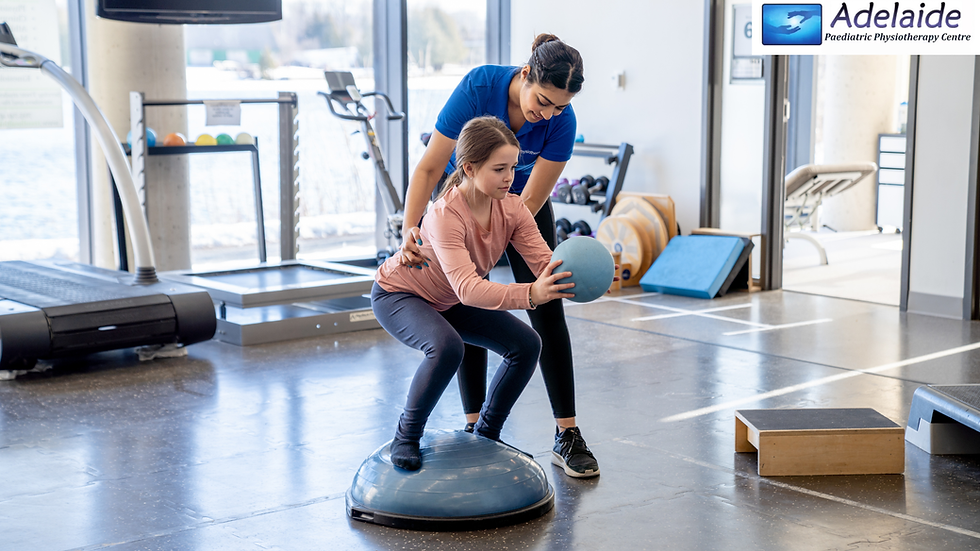
One of the reasons this therapy is effective is that it uses movement-based activities that children naturally enjoy.
Sessions may include:
Balance exercises
Crawling patterns
Coordination games
Sensory integration activities
Breathing exercises
Strength and posture training
Children often respond positively because therapy feels engaging rather than stressful.
4. Personalized Care for Every Child
No two children develop in the same way. Some children may need support for sensory regulation, while others may require help with motor planning or posture.
The Best Paediatric primitive reflex integration therapy in Dubai focuses on individualized treatment plans that consider:
Developmental history
Physical abilities
Sensory needs
Emotional responses
Learning challenges
Family goals
This personalized approach helps children progress at their own pace.
5. Support for a Wide Range of Developmental Challenges
Primitive reflex integration therapy may benefit children with:
Developmental delays
ADHD-related symptoms
Autism spectrum conditions
Sensory processing challenges
Coordination difficulties
Learning difficulties
Low muscle tone
Postural issues
Parents appreciate having a therapy option that supports both physical and neurological development.
6. Home Visits Provide Comfort and Convenience
Busy family schedules can make regular clinic visits difficult. This is why many families now prefer the Best Physiotherapy home visits for children in Dubai.
Home-based therapy offers several advantages:
Children feel more comfortable in familiar surroundings
Reduced travel stress for parents
Better observation of the child’s natural environment
Flexible scheduling
Improved participation for anxious or sensory-sensitive children
At Adelaide Paediatric Physiotherapy, home visit services allow therapists to deliver professional pediatric physiotherapy directly to families across Dubai.
7. Family Involvement Improves Progress
Parents play an important role in therapy success. Primitive reflex integration programs often include home exercises and strategies that families can practice together.
This collaborative approach helps reinforce progress between therapy sessions and empowers parents to support their child’s development daily.
Families often report stronger bonding, improved confidence, and better understanding of their child’s needs.
Signs Your Child May Benefit From Primitive Reflex Integration Therapy
While every child develops differently, some common indicators may suggest retained primitive reflexes:
Difficulty with balance or coordination
Trouble concentrating in school
Motion sickness
Sensitivity to sound or touch
Delayed crawling or walking
Slouching posture
Poor handwriting
Emotional overreactions
Hyperactivity
Difficulty crossing the midline
Frequent fidgeting
Toe walking
If parents notice several of these signs, a professional assessment may help determine whether therapy could be beneficial.
The Importance of a Child-Friendly Therapy Environment
Children learn best when they feel safe, supported, and encouraged. Pediatric therapy should never feel overwhelming or intimidating.
At Adelaide Paediatric Physiotherapy, therapists focus on creating positive experiences where children can build confidence while improving their developmental skills.
Therapy sessions are designed to:
Encourage participation
Celebrate small achievements
Build trust gradually
Use play-based methods
Support emotional wellbeing
This nurturing approach helps children stay motivated throughout their therapy journey.
How Primitive Reflex Integration Supports Learning
Many parents are surprised to learn how closely movement and learning are connected.
Retained primitive reflexes may affect:
Reading ability
Writing skills
Attention span
Memory
Eye tracking
Spatial awareness
When reflexes integrate properly, children may experience improvements in classroom performance and daily learning activities.
Therapy helps strengthen foundational neurological pathways that support academic and physical development together.
Building Confidence Through Better Movement
Children who struggle with coordination or sensory challenges may avoid physical activities, sports, or social interactions. Over time, this can affect self-esteem.
Primitive reflex integration therapy aims to improve:
Body awareness
Balance
Coordination
Strength
Motor planning
As children gain confidence in their movements, they often become more willing to participate in school, sports, and social activities.
FAQs
1. What age is best for primitive reflex integration therapy?
Primitive reflex integration therapy can benefit children of different ages, but early intervention is often most effective. However, older children can also experience meaningful improvements through therapy.
2. How do I know if my child has retained primitive reflexes?
Signs may include poor coordination, sensory sensitivities, learning difficulties, balance problems, emotional regulation challenges, or delayed motor development. A professional pediatric assessment can help identify retained reflexes.
3. Is primitive reflex integration therapy safe for children?
Yes. The therapy uses gentle, child-friendly exercises and movement activities designed specifically for pediatric development.
4. How long does therapy usually take?
The duration varies depending on the child’s needs, developmental challenges, and therapy goals. Some children may require a few months, while others benefit from longer-term support.
5. Can therapy sessions happen at home?
Yes. Many families choose the Best Physiotherapy home visits for children in Dubai because home sessions provide comfort, convenience, and personalized care in a familiar environment.
6. Does primitive reflex integration therapy help with school performance?
In some cases, yes. Therapy may support concentration, handwriting, posture, coordination, and sensory processing, which can positively impact learning and classroom participation.
7. Why do parents choose Adelaide Paediatric Physiotherapy?
Parents trust Adelaide Paediatric Physiotherapy because of its child-centered approach, experienced pediatric physiotherapists, personalized treatment plans, and professional home visit services across Dubai.


Comments